REVIEWS

  • Insta Life Donna by ReeToxA

    Insta Life Donna by ReeToxA

    The first moments of Insta Life Donna immediately set the pace with bright synth patterns and a confident blend of guitar and bass. The drums hit with a steady pulse that builds energy without ever feeling overwhelming. Each instrument carries its own presence while still supporting the overall rhythm, creating a modern alternative sound that is catchy, sharp and full of movement. The production feels clean yet characterful, offering a mix that keeps the listener engaged from the opening beat to the final ring of the guitar.

    The structure of the song unfolds with smooth transitions that hold the arrangement together. Synth melodies weave through the percussion while the low end keeps the track grounded. Small instrumental details appear throughout the mix, giving the song a sense of personality and playfulness. The chorus arrives with a satisfying lift, carrying the momentum created by the earlier sections. Everything fits with purpose, and the track grows more addictive with each repeat.

    The story behind Insta Life Donna comes through clearly as the lyrics paint a picture of unwanted advice and chaotic family meddling. The way the situation is framed feels honest, almost amused, like someone shaking their head at the absurdity of it all. There is a sense of release in how the song handles the frustration. Instead of holding onto the irritation, it turns the experience into something lively and almost freeing. By the time the final notes fade, the listener is left with the feeling that sometimes the best way to handle unnecessary interference is simply to laugh, move on, and let the music carry the weight away.

  • Legends by Andy Smith & Emily E. Finke

    Legends by Andy Smith & Emily E. Finke

    Andy Smith and Emily E. Finke’s Legends opens with a sense of vastness, immediately drawing the listener into its expansive soundscape. The production balances sweeping orchestral elements with intimate details, creating an atmosphere that feels both cinematic and personal. Strings shimmer over echoing percussion, while subtle electronic textures and airy synths fill the spaces between, giving the song an ethereal quality. Every instrument feels deliberate, building momentum without ever overwhelming the delicate narrative the vocals carry. The arrangement moves like a journey, unfolding in a way that mirrors the song’s lyrical imagery.

    The interplay between Smith’s production and Finke’s vocals is striking. Her voice, clear and haunting, rises over the instrumental layers with effortless control, bringing each line to life. The chorus, filled with visions of “mountains of gold” and “cities of light,” soars with cinematic intensity, creating a feeling of pursuit and longing. Even though the track was co-written across continents, the collaboration feels seamless, unified by a shared emotional vision that transcends distance. Each note, pause, and crescendo contributes to the storytelling, showing the strength of their creative synergy.

    The narrative within Legends captures the passage of time and the stretch of distance as forces that shape memory and myth. The song conjures the sensation of chasing something both beautiful and fleeting, a goal or a moment that may never be fully grasped. It lingers in that tension, between what is real and what is imagined, allowing the listener to inhabit the space between longing and fulfillment. By the song’s end, there is a sense of endurance and quiet triumph, a reminder that some stories and connections hold meaning far beyond their immediate presence, leaving a lasting echo that resonates long after the final note fades.

  • Mezmer Eyes by Hverheij

    Mezmer Eyes by Hverheij

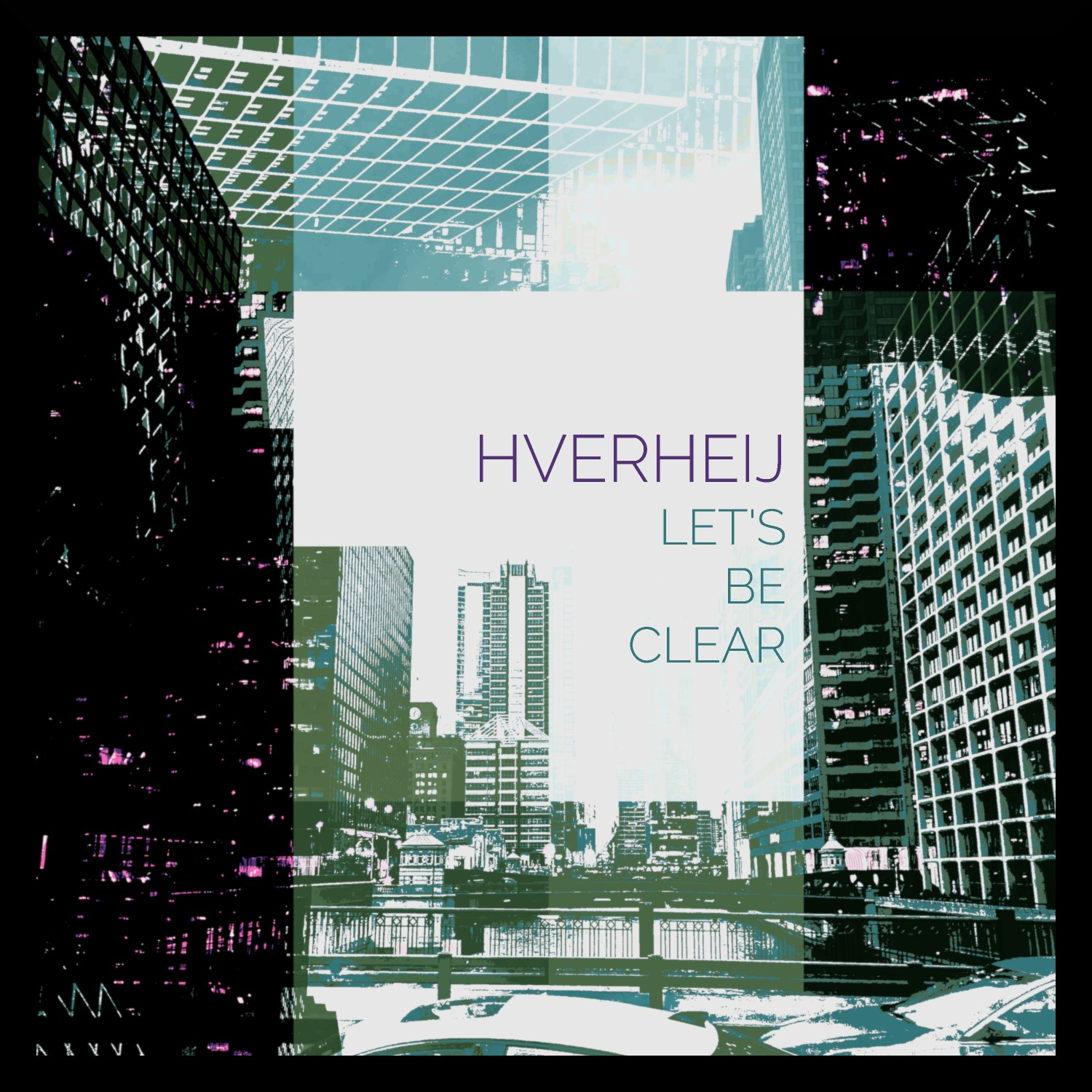
    Hverheij’s Mezmer Eyes is a pulse of the city captured in sound. Unlike tracks that feel rigidly structured, this piece moves like a living organism, building tension and release with careful attention to rhythm and texture. The track uses synthesizers, MPC modules, and electric guitar not as tools for decoration but as voices in a larger conversation. Each element adds to the momentum, whether it’s the swelling synth lines that carry a sense of space or the subtle guitar textures that provide emotional lift.

    The song is crafted with precision, but it never feels overworked. Effects like cluster-delayed reverb and Molten Diode distortion add grit and unpredictability, reminding listeners that the urban world it evokes is dynamic, sometimes harsh, but always compelling. The track’s forward motion mirrors the energy of crowded streets, flashing lights, and the rhythm of human life in motion. Hverheij’s layering creates a sense of place: you can almost feel the movement of the city beneath your feet as the music unfolds.

    Beneath the sonic complexity, Mezmer Eyes communicates a clear sense of engagement and presence. It’s about connection to space, to people, and to the moment itself. There is optimism and vitality in the way the track pushes forward, a reminder that even in the midst of chaos, there is rhythm, order, and possibility. The song doesn’t just invite the listener to hear it—it invites you to inhabit it, to let the sounds guide your attention, and to experience a city through music. Hverheij achieves a rare balance between experimental ambition and emotional resonance, making Mezmer Eyes a standout piece on Let’s Be Clear.

  • The Machine by Jodymoon

    The Machine by Jodymoon

    “The Machine” begins not with warmth but with a pulse that feels almost clinical, the kind of beat that clicks like a metronome built for a world that refuses to slow down. That drum machine does not just keep time; it defines the atmosphere, giving Jodymoon a backbone that is rigid, urban, and deliberately un-organic. When Johan’s electric guitar enters, it does not float above the rhythm; it locks into it, sending short, tensile lines that add grit to the duo’s usual folk palette. The shift in instrumentation is bold, and you can hear the duo leaning into this new territory with confidence.

    As the track unfolds, the composition reveals small but striking decisions. Digna’s vocals sit slightly forward, not drenched in softness but shaped to ride the mechanical beat. Her phrasing moves in loops, mirroring the repetitive patterns underneath, yet she introduces subtle breaks in rhythm that tug the song back toward something human. The guitar is not showy; instead, it acts almost like commentary, slipping in accents that give the verses movement and the chorus a sharper lift. Imagining this onstage makes sense, the beat anchoring the room, the guitar adding texture, and Digna’s voice giving the song its emotional direction.

    The writing nudges the listener toward a quiet discomfort without pointing fingers. The lyrics reflect a world increasingly measured, optimized, and automated, yet the melodies keep reaching for something softer, as if the song itself is trying to breathe inside a tightening frame. That tension becomes the heart of the track. Rather than warning or preaching, “The Machine” shows the friction between structure and instinct, between what feels efficient and what feels alive. When it ends, you are left sensing that the machine is steady, but the people inside it are still searching.

  • Amber by ReeToxA

    Amber by ReeToxA

    The song “Amber” begins with a guitar tone that feels warm enough to pull you in immediately. The chords ring with a familiar grunge flavour, yet there is a smoothness in the attack that makes the sound more modern than retro. The rhythm section joins in with steady confidence. The bass provides a calm, rounded backbone while the drums move with a gentle push that keeps the song energetic without overwhelming the mood. Together, these elements create a strong foundation that sets the emotional tone before any lyrics begin.

    Listeners soon notice how carefully the composition is structured. The verses settle into a reflective groove, allowing the story to unfold, and the chorus rises with greater power, suggesting a shift from uncertainty to confession. The arrangement keeps the song active through small moments of change. Drum fills appear at the right time, the bass steps forward with melodic touches, and the guitar thickens during emotional peaks. These choices give the track a sense of movement that mirrors the intensity of the message.

    The meaning behind “Amber” remains one of its strongest qualities. Jason McKee wrote the earliest version of this song in 1995 when he believed he had finally found the girl he had been hoping to be with. The lyrics show the frustration of watching outside voices influence the situation. There is a clear desire to encourage her to trust her own feelings rather than follow what others thought was acceptable. His delivery makes these emotions easy to understand because his voice conveys honesty rather than exaggeration.

    By the closing moments, “Amber” feels like a rare blend of passion, memory, and musical clarity. The track stands tall among ReeToxA’s work because it holds the emotional core of a younger artist while benefiting from the strength and confidence of the present.

  • Alcohol by ReeToxA

    Alcohol by ReeToxA

    Reetoxa’s “Alcohol” wastes no time introducing its personality. The guitars arrive gritty and deliberate, distorted with texture rather than noise, carrying a sharp, serrated quality that still knows where the rhythm lives. The drums hit like physical punctuation, loud, intentional, relentless, and built for movement. Underneath it all, the bass stays rooted and chunky, acting as the glue that keeps the track from spiraling into disorder. Compositionally, nothing here is accidental. It may sound unfiltered, but the arrangement reveals instinct that’s been practiced, refined, and confidently delivered.

    Rather than framing the story like a regretful confessional, the lyrics treat it more like an eyewitness account delivered the morning after. The premise is messy, hilariously so, but it never collapses into self-pity. A night powered by misplaced liquid courage, followed by a wake-up in unfamiliar territory with nothing but confusion and bad decisions to inventory, could easily blur into melodrama. Instead, the writing keeps its footing, striking a balance between embarrassment, amusement, and the strange satisfaction of surviving the self-made chaos. There’s humility here, but also a smirk.

    Emotionally, the energy lands somewhere between concert sweat and reflective laughter. This is the kind of song that would sound even better in a cramped venue where the PA isn’t great but the crowd is fully committed. Vocals carry gravel but never lose melody, gritty without becoming harsh, personal without oversharing. The chorus hits its peak like a release valve, loud and honest, built for impulsive audience participation. When the final seconds close out, the song feels less like a bad decision and more like the story you end up telling best.

  • Shadow of the Moon by Ashia Ackov

    Shadow of the Moon by Ashia Ackov

    From its first quiet moments, this single invites you to lean in and listen not just to the melody but to the space between notes. The instrumentation is elegantly restrained, as one might expect in jazz. The piano’s soft chords hover in a cool air, the upright bass walks under them with deliberate patience, and the brushed drums tick gently like a heartbeat in shadow. The composition breathes, allowing the vocals to float above rather than fight the arrangement, and in that space the emotional story emerges clearly and powerfully.

    Moving into the lyrics, one finds metaphor wrapped in sincerity. The subject is loss, specifically the artist’s mother battling cancer, yet the tone is neither sobbing nor bitter. Instead, the words speak of hopes deferred, silent vows, and the constant companion of an unseen shadow. Lines such as “It paints my dream in charcoal tones” and “Every step, a silent vow, watching always, even now” carry weight because they are honest and unvarnished. The vocal delivery reflects this truth. Ashia sings in a deeper register than usual, a subtle change that underscores the importance of the moment, the gravity of loving someone through decline, and the grace of memory.

    https://fanhero.in/ashiaackovmusic/post/sotm

    Finally, the track stands out because it is a love song in the largest sense. It is not for romance but for the bond between child and mother and for the determination to hold laughter and kindness in the face of fear. It is a work for anyone who has faced the beast of illness or grief and sought a moment’s peace. In its quiet strength and gentle persistence, Shadow of the Moon does more than commemorate a loss. It offers the kind of solace that music rarely manages, the feeling of being seen, held, and understood.

  • This Is Over by Naomi Neva

    This Is Over by Naomi Neva

    Naomi Neva’s This Is Over opens with a sharp burst of guitar that cuts straight through the haze of heartbreak. The sound is raw yet deliberate, matching the emotional turbulence the lyrics explore. Each riff carries a pulse of defiance, while the steady rhythm section grounds the chaos in something solid and real. Her voice, textured and vulnerable, balances grit and melody, letting every line land with unfiltered honesty. From the first chorus, it’s clear that Neva isn’t just mourning an ending—she’s reclaiming her space within it.

    The song’s composition feels built for catharsis. Distorted guitars roar against clean, echoing chords, creating contrast between anger and reflection. The production, guided by an all-female team at Hear Me Roar Studio, captures this dynamic with precision: it’s loud where it needs to be and intimate where it matters most. Each verse grows in tension until the chorus erupts, a declaration that’s less about revenge and more about release. Listeners can almost feel the energy of a live performance—sweat, movement, and that collective sense of letting go.

    At its core, This Is Over tells a story of emotional confrontation. Written mid-flight during a moment of personal confusion, it channels the awkwardness of heartbreak into art that feels universal. The song’s strength lies in its duality: it sounds furious but speaks with clarity. Neva captures the ache of knowing something has ended while still caring deeply about its echoes. By the time the final note fades, This Is Over feels less like closure and more like the first breath of freedom.

  • Hurt by Harry Bertora

    Hurt by Harry Bertora

    Harry Bertora’s Hurt (Cover of Johnny Cash) is a study in restraint and emotional translation. By removing the lyrics, Bertora shifts the focus entirely onto the textures of sound, allowing each instrument to articulate the sorrow and fragility embedded in the original song. The opening guitar line feels like a soft confession, measured and deliberate, as if each note is weighed before it’s released. Behind it, atmospheric keyboards swell gently, providing a sense of distance and reflection that broadens the emotional space of the piece.

    What makes this interpretation compelling is how it doesn’t attempt to recreate Johnny Cash’s iconic delivery but instead transforms it through pure instrumentation. The pacing is unhurried, the phrasing sensitive, and the tone almost meditative. There’s a quiet tension between the warmth of the guitar and the cool electronic undertones, giving the track a duality—human and machine, heart and memory. Every phrase feels intentional, as if Bertora is tracing the contours of pain without ever dramatizing it.

    Imagining Hurt performed live, one can sense how its slow build and sustained tones would fill a room not with volume but with presence. The absence of vocals invites the audience to project their own emotions into the music, creating an experience that feels deeply personal. By distilling the song to its emotional essence, Bertora honors both Nine Inch Nails and Johnny Cash while crafting something distinctly his own—a version where silence, space, and sound converge to speak volumes.

  • Black Clouds by Bastien Pons

    Black Clouds by Bastien Pons

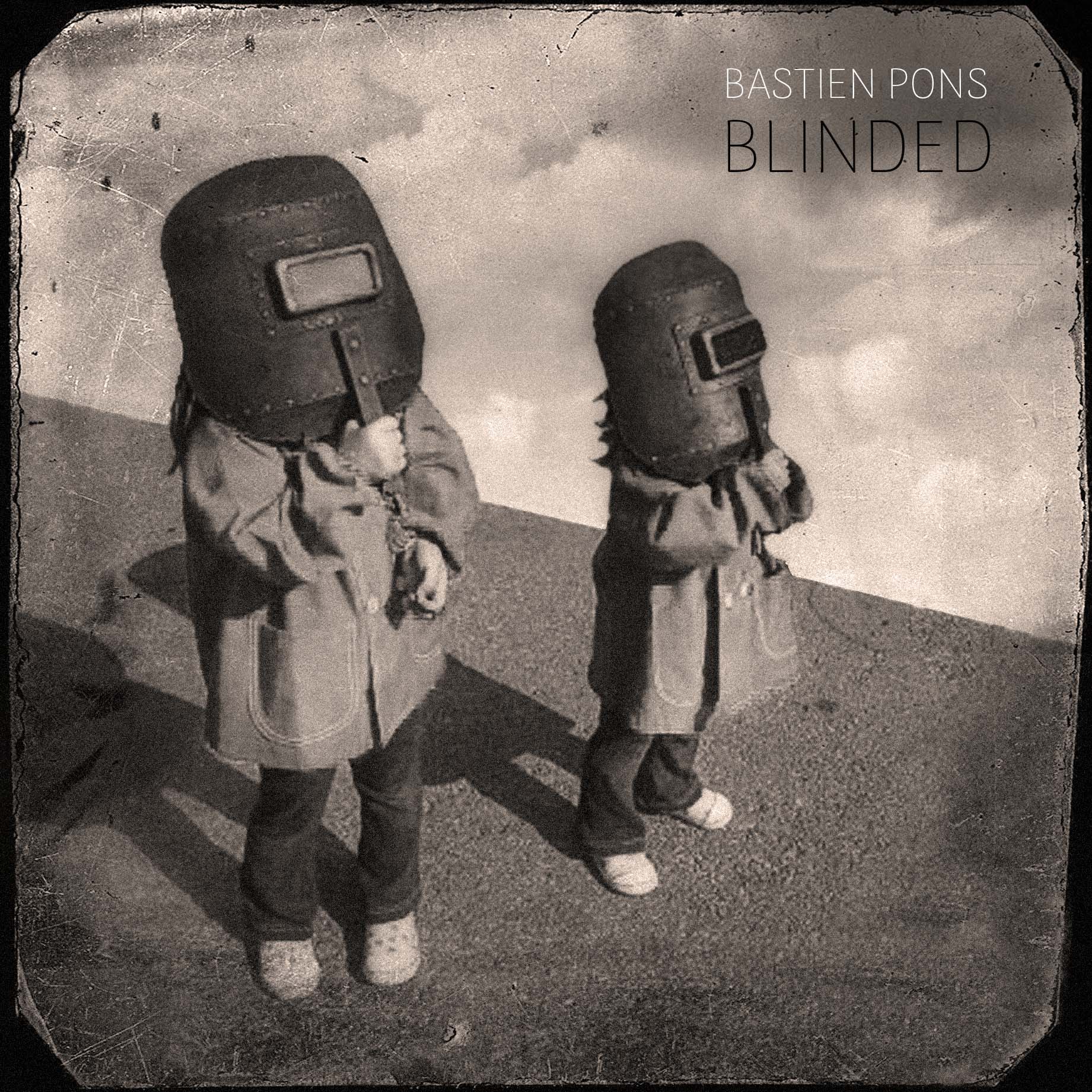
    “Black Clouds” begins as if from nowhere, a murmur rising out of darkness before finding its slow, deliberate rhythm. Bastien Pons constructs sound as though he were shaping clay, compressing texture and tone until they become something nearly tangible. The collaboration with Frank Zozky brings a fragile humanity to the work. His voice is faint, yet it hovers in the air like a breath that refuses to fade.

    The track does not follow a conventional path. Instead of movement, there is suspension. Instead of melody, there is gravity. Pons allows noise to bloom into quiet, building a sense of pressure that feels both comforting and uncertain. The electronic layers crackle softly, while deeper tones hum beneath, giving the impression of an unseen landscape moving just beyond reach.

    Every second feels deliberate, guided by the same patience that defines his photography. Light and shadow translate into sound here, and the result is cinematic in its intimacy. The absence of rhythm becomes its own pulse, a kind of inner heartbeat that carries the listener forward.

    When it fades, you are left with an awareness of space and breath. It is not an ending but a dissolving, as if the sound continues somewhere beyond the speakers. “Black Clouds” is less a song to hear than an experience to enter, one that lingers quietly long after the last note evaporates.